Artificial Intelligence: Creating the Technology of the Future
One of the technological era’s newest inventions is machine learning (also called AI). It describes the capacity of machines and computer systems to carry out tasks like learning, problem-solving, decision-making, and language comprehension that typically require cognitive ability. AI is permeating every aspect of daily life, from smartphones to self-driving cars.
Artificial Intelligence: What Is It?
The goal of the computer science sector of artificial intelligence is to build computers with human-like thought and behavior. Algorithms, data, and computation strength are used by artificial intelligence to identify trends, forecast outcomes, and gradually enhance their performance. Machine learning, a method a way that devices process info without being programmed in advance for every job, seems an essential component of artificial intelligence
.Artificial Intelligence Types

Three broad categories are acceptable to classify AI
AI is applied in numerous industries
Artificial Intelligence Benefits
There are many advantages to artificial intelligence. It lowers human error, speeds up the evaluation of information, and optimizes effectiveness by conducting routine operations. AI is capable of working nonstop without getting tired and solving complicated issues that are challenging for humans.
Difficulties and Ethical Issues
AI has benefits, but it also has drawbacks. Automation-related job displacement is a serious issue. When AI systems gather and examine personal data, privacy concerns emerge. Furthermore, biased AI algorithms may produce unfair results. For AI to be developed responsibly, it must be transparent, accountable, and used ethically.

Artificial Intelligence’s Future
AI has enormous potential for the future. AI is anticipated to become more sophisticated, effective, and human-like as technology develops. But it will be important to strike a balance between innovation and morality. AI has the potential to significantly improve human capabilities and quality of life with appropriate regulation and responsible use.
combining technological advancement with ethical responsibility, AI can become a powerful force for good in society.
AI’s Place in Everyday Life
Artificial intelligence is a big part of what we do every day. AI works in the background to make life easier, from using face recognition to unlock smartphones to using map applications to get directions. AI is used by social media companies to filter content, recommend friends, and customize feeds based on user interests.
AI and Work
The nature of work is evolving due to AI. Automation may eliminate some manual labor, but it also opens up new possibilities in industries like robotics, data science, AI engineering, and cybersecurity. People must acquire abilities like critical thinking, creativity, and technical knowledge in order to adapt.
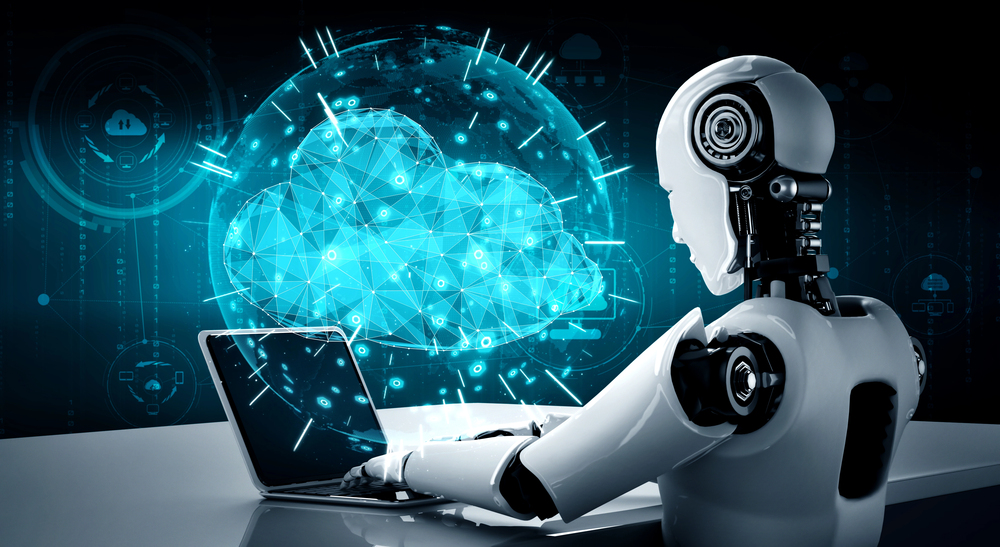
Competencies Needed for AI
These abilities aid in the efficient design, development, and administration of AI systems.
AI and Humanity
AI has a significant social impact. It can aid in the resolution of global issues like poverty, disease detection, and climate change. To prevent abuse and inequality, governments and organizations must make sure AI is applied equitably and responsibly.
Concluding Remarks
Artificial intelligence is already influencing the present; it is not merely a technology of the future. AI can aid in human advancement and creativity when applied properly. AI has the potential to be a significant force for good in society if it is combined with ethical responsibility and technological advancement.